
We often hear that good UX is invisible. But bad UX? It screams. It frustrates users, kills promising products, and costs companies millions, even billions.
We’re walking through real-world examples of products that failed not because of bad ideas, but because of poorly thought-out user experiences. Each one is a cautionary tale worth learning from.
1. Google Wave: Innovation That Outran Comprehension
What it was:
Launched in 2009, Google Wave aimed to redefine digital collaboration. It tried to combine email, live chat, document editing, and social networking into a single platform. Not only was Google Wave an original centralized workspace and collaboration platform before the remote-work boom, but it also tried to solve many of the same problems we’re still facing today.
Why it failed:
No one really understood what Google Wave was—or why they needed it. The UI was packed with jargon (“blips,” “waves,” “playbacks”) and gave little onboarding help. Even tech-savvy users felt lost. It wasn’t intuitive, and it didn’t build on existing behaviors.
UX takeaway:
When you’re introducing something radically new, you have to give users an on-ramp. Familiar metaphors, guided walkthroughs, and clear language can bridge the gap between innovation and adoption.
2. MySpace: When Customization Goes Too Far
What it was:
In the early 2000s, MySpace was the place to be online. Users could customize their profile pages however they wanted—colors, music, fonts, layouts. The platform allowed users to connect with friends, share music, and express themselves creatively through customisable profiles.
Why it failed:
With no real design limitations, pages turned into chaos. Some were unreadable, many took ages to load, and accessibility was an afterthought. Eventually, Facebook showed up with a clean, simple, structured design—and users left in droves.
UX takeaway:
Giving users freedom doesn’t mean removing structure. Good UX offers creative flexibility within boundaries, so the experience stays usable for everyone.
3. Microsoft Zune: A Classic Case of UX by Comparison
What it was:
Zune was Microsoft’s response to the iPod. It had solid hardware, good audio quality, and even features Apple didn’t offer—like FM radio and wireless sharing.
Why it failed:
Despite decent specs, Zune’s interface felt clunky. Navigation wasn’t intuitive. The syncing software was slow. Compared to Apple’s sleek iPod + iTunes experience, Zune felt like work.
UX takeaway:
It’s not enough to match your competitor on features. If you’re an alternative, your user experience has to be clearer, faster, and easier from the start.
4. Quibi: Designed for a World That Didn’t Exist
What it was:
Quibi launched in 2020 as a mobile-only streaming app focused on short-form content—10-minute shows meant for “on-the-go” viewing.
Why it failed:
Timing aside (it launched in a pandemic when no one was commuting), the product itself was restrictive. You couldn’t cast videos to your TV. You couldn’t screenshot or share clips. The app was locked to one device, and the interface discouraged interaction.
UX takeaway:
Designing a product based on investor pitches instead of real user behavior is a recipe for disaster. Great UX starts by understanding when, where, and how users actually want to engage.
5. Healthcare.gov (2013): When UX Is a Public Crisis
What it was:
Healthcare.gov was the official platform for Americans to sign up for health insurance under the Affordable Care Act.
Why it failed:
The website crashed under traffic. Forms were long and confusing. There were no save features, vague error messages, and no clear progress indicators. Millions of users got stuck or gave up.
UX takeaway:
In high-stakes products—especially public services—clarity, feedback, and error recovery aren’t just best practices. They’re essential. Bad UX in this case eroded public trust and delayed access to healthcare.
6. Snapchat Redesign (2018): Change Without Warning
What it was:
Snapchat merged Stories and Chats into a single interface, aiming to simplify user interaction and boost engagement.
Why it failed:
The update completely changed the way people used the app, with no warning or opt-out. Users hated it. So did influencers. A petition to revert the change got over a million signatures. Even Kylie Jenner tweeted her frustration—and Snap’s stock dropped.
UX takeaway:
Don’t roll out major UI changes without listening to your users. Change is fine—but it has to be tested, explained, and introduced with care.
7. Juicero: When UX Adds No Value
What it was:
Juicero sold a $400 Wi-Fi-connected juicer that only worked with proprietary juice packs scanned via QR code.
Why it failed:
The entire product was unnecessary. You could squeeze the juice packs by hand. The app added friction without adding value. Worse, the machine would refuse to work with expired packets or offline—creating a frustrating experience over a simple task.
UX takeaway:
Tech that doesn’t improve the experience shouldn’t exist. If your UX is worse than the manual alternative, no amount of engineering can save it.
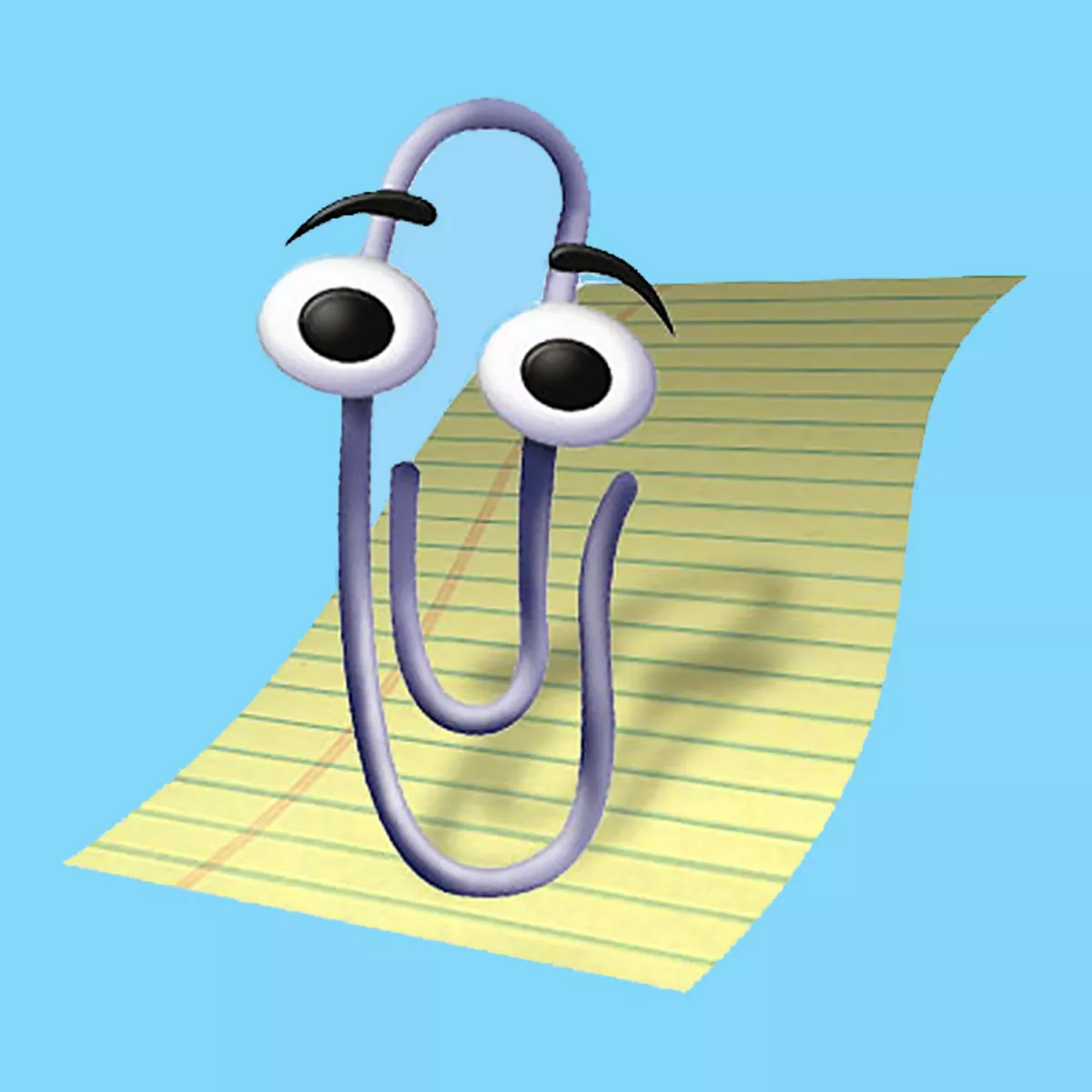
8. Clippy: An Assistant That Didn’t Understand Helpfulness
What it was:
Clippy was Microsoft Office’s animated assistant. It popped up to offer help with writing documents and using features.
Why it failed:
Clippy interrupted too often, didn’t offer relevant help, and was hard to dismiss. It became more annoying than useful. Instead of feeling supported, users felt micromanaged.
UX takeaway:
A helpful assistant has to understand context, respond at the right time, and stay out of the way when it’s not needed.
9. Yahoo’s Acquisitions: When Integration Destroys UX
What it was:
Yahoo bought successful platforms like Tumblr, Flickr, and Delicious, hoping to expand its user base and services.
Why it failed:
Instead of preserving what made those platforms beloved, Yahoo imposed its own systems—mandatory Yahoo logins, design overhauls, new content policies. Tumblr’s adult content ban, for instance, alienated its core community.
UX takeaway:
When acquiring or merging products, UX integration matters. Changing the way users interact with something they love—without involving them—can break loyalty fast.
10. Instagram Threads (2021): A Solution Looking for a Problem
What it was:
Threads was launched as a separate messaging app for close friends on Instagram, with an auto-status feature and camera-first UI.
Why it failed:
It felt redundant. Instagram already had DMs. The app didn’t offer much that was new or compelling enough to pull people away from what they were used to.
UX takeaway:
If a new product doesn’t solve a clear problem, users won’t adopt it—especially if it complicates their current workflow rather than improving it.
Final Thoughts: UX Breaks Products More Than Code Does
Across all of these examples, one thing is clear: it’s not always the idea that fails—it’s how the user experiences that idea. People walk away not because they didn’t like the concept, but because interacting with it was confusing, frustrating, or just not worth the effort.
Here are a few rules that show up again and again:
If your users can’t figure it out in seconds, they’ll bounce.
If your product adds friction instead of clarity, they’ll leave.
If you ignore user context, you’ll design for a fantasy—not real life.
So whether you’re building an app, platform, tool, or even a “revolutionary” device, remember: if the UX doesn’t work, nothing else will.
As we've seen in every example above, even groundbreaking products can fail when the user experience doesn’t keep up with the tech. Today, we’re seeing something similar happen all over again- with AI. There’s no shortage of smart, capable AI agents being built, but when they’re handed off to users through clunky, confusing interfaces, the impact falls flat. And in many cases, that interface is chat. It’s where users meet the AI- and judge it. Because like it or not, people often judge the intelligence of a system by how effortlessly they can talk to it. If the face isn’t working, the brain doesn’t get a chance to shine.
At CometChat, we believe the UX of AI lives in the conversation. That’s why we help teams build chat experiences that are fast, flexible, and frictionless - so your AI doesn’t get lost behind a bad front-end.
Don’t duct tape your jet engine to a paper plane. Use CometChat.

Shrinithi Vijayaraghavan
Creative Storytelling , CometChat